Why the School Run Is Where Tall Parents Backs Actually Give Out
Quick Answer: School run strain on tall parents comes from repeated sustained forward bending rather than from heavy lifting. Car seat buckling, buggy handles set for average height, bending to a child’s level at the gate and reaching into car boots all put a long spine into flexion many times a day, every day. The fixes are structural rather than postural: change the height of the task where you can - kneel instead of bend, adjust the buggy, use the boot lip - and add a daily counter-movement rather than trying to remember better form.
You lift nothing heavier than a school bag and a four-year-old.
Your back has still decided that September is the month it stops cooperating.
Why is bending worse than lifting for a long spine?
Sustained forward flexion loads the spine differently from a lift, and it is the duration and repetition rather than the weight that accumulates.
A longer spine means a longer lever arm when you bend forward, so the same task produces more load at the base of the spine than it would for a shorter parent.
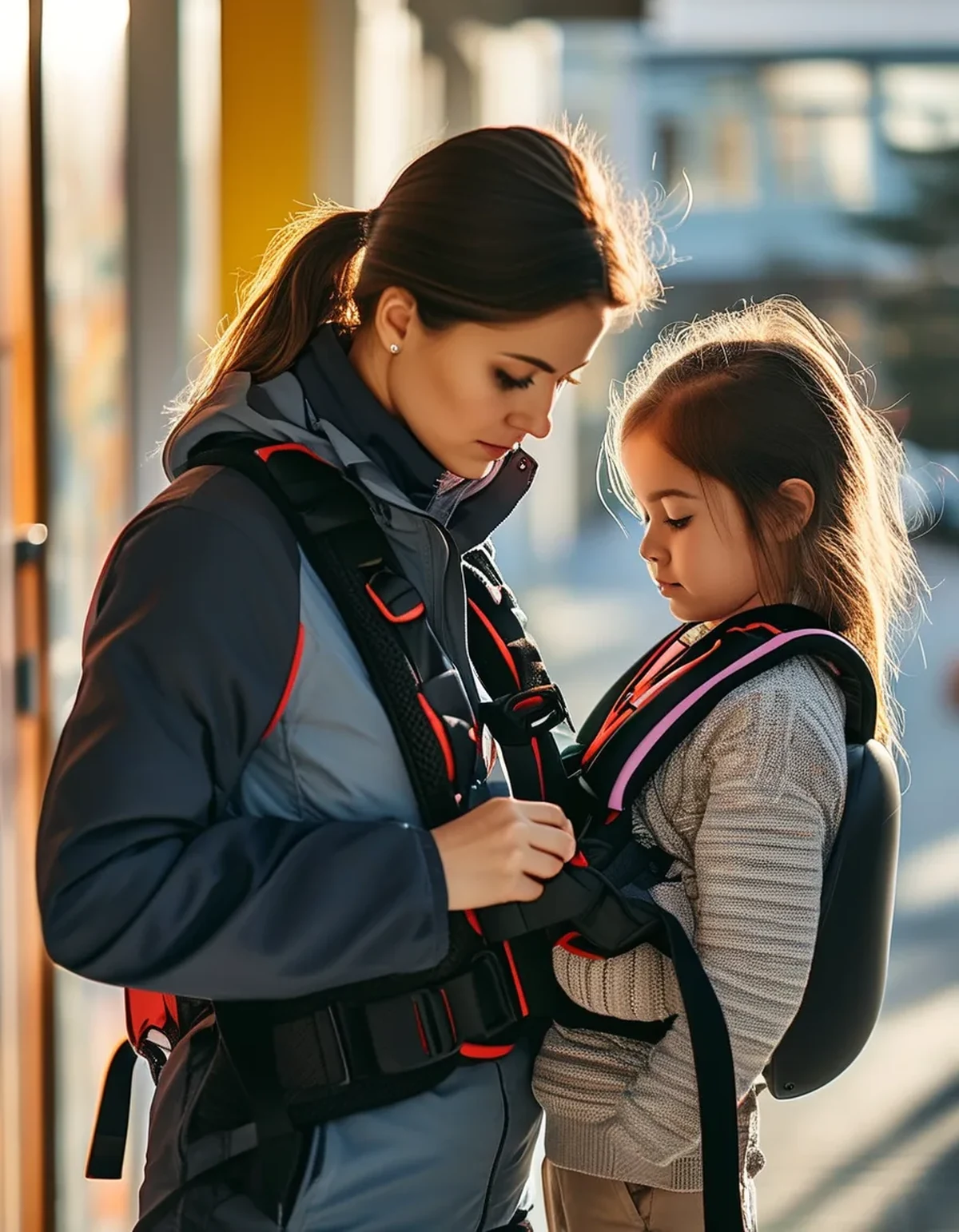
Car seat buckling is the worst single task, because it combines forward flexion with rotation and a sustained hold at arm’s length.
It happens twice per journey, several times a day, every school day, which is what makes it accumulate.
Buggy handles are the second offender, since most are set for average height and produce a low, rounded pushing posture over long distances.
And none of it feels like an injury while it is happening, which is why the cause is rarely identified. This is general information, not medical advice.
How do I fix the car seat problem specifically?
Get one knee on the seat or the door sill rather than bending in from outside, which brings you to the height of the task instead of folding down to it.
Open the door fully and step in closer, since reaching across from outside the door line adds substantially to the lever arm.
Place the seat behind the passenger side if you can, which is generally an easier reach than the driver side for most people.
Encourage self-buckling as early as the child can manage, which is the fix with the best long-term return.
Avoid twisting while holding. Turn your feet rather than rotating the spine, which is the specific movement most likely to produce a sharp episode.
And change sides periodically rather than always buckling from the same side, which spreads the loading.
What about buggies, bags and boots?
Buggy handle height is adjustable on most models and almost never adjusted, which is a five-minute fix for a daily problem.
A pushing posture with rounded shoulders over a low handle is one of the most sustained postural loads a tall parent experiences.
Use the boot lip. Slide bags to the edge before lifting rather than reaching into the depth of the boot, which is a classic long-lever bend.
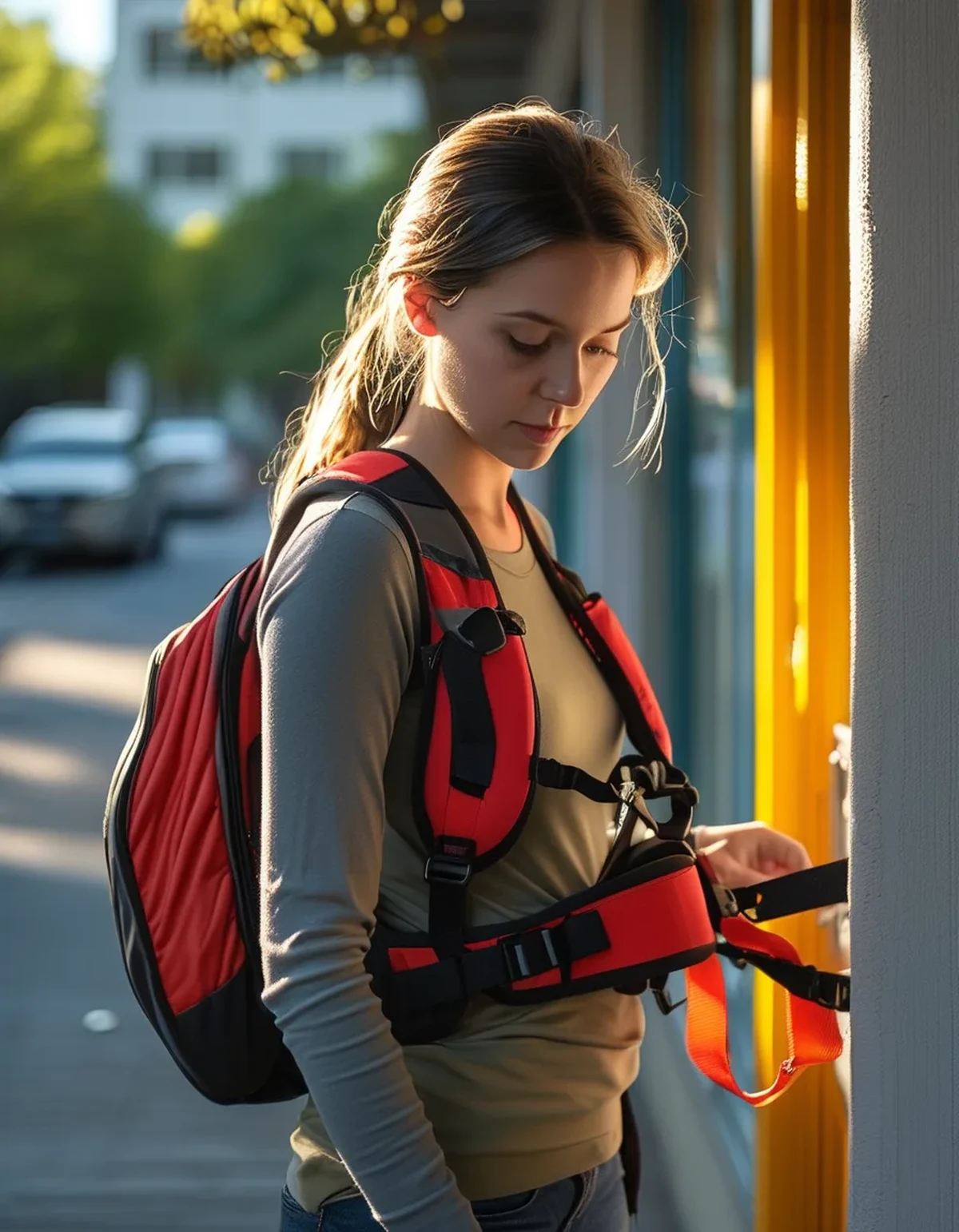
Carry bags on alternating shoulders, or better, use a rucksack for the school-run load, which distributes rather than tilting.
Bend at the hips and knees rather than the spine when picking things up, which is standard advice that becomes more valuable the longer your spine is.
And put the heaviest item nearest to you in a boot or a basket, which reduces reach on the lift that follows.
What should I do daily rather than remembering better posture?
Add a counter-movement. A few minutes of gentle extension and thoracic mobility work daily does more than trying to remember form during a rushed morning.
Move within the school gate wait rather than standing still for ten minutes, which is a sustained static load in itself.
Strengthen rather than only stretch. Posterior chain and trunk strength work is what makes repeated bending tolerable, and it is the part most commonly skipped.
Break up long sitting, since a day of school runs and desk work stacks flexion on flexion.
Notice the pattern rather than the episode. Back trouble that appears in September after a summer of different routines is usually a load pattern change rather than a sudden injury.
And get persistent or severe pain assessed by a qualified healthcare professional rather than managing it indefinitely. This is general information, not medical advice.
5 School Run Habits That Cost Tall Parents
1. Buckling from outside the car door. The most common and most costly habit, because it maximises the reach and adds rotation. One knee on the seat changes the mechanics completely and takes no extra time.
2. Never adjusting the buggy handle. Almost every buggy has adjustable handles and almost nobody sets them. Ten seconds of adjustment removes a daily rounded-shoulder pushing posture that lasts as long as the walk does.
3. Reaching into the depth of the boot. Sliding items to the boot lip first halves the effective lever arm. It feels slower and takes about two seconds.
4. Carrying everything on one shoulder. A school bag, a lunch bag and a coat on the same side produces a sustained asymmetric load. A rucksack is unglamorous and solves it entirely.
5. Standing still at the gate. Ten minutes of static standing after a period of bending is its own load, particularly on a long spine. Walking slowly while waiting is meaningfully better than standing.
And the bonus habit: crouching rather than kneeling to talk to a child. A full kneel is more comfortable and more sustainable than a half-crouch, and children respond better to it anyway. This is general information, not medical advice.
FAQ: Tall Parent Back Questions, Answered
Why does my back hurt when I do not lift anything heavy?
Repeated and sustained forward bending loads the spine independently of weight. Frequency and duration accumulate, and a longer spine produces a longer lever arm for the same task.
What is the single worst school run task?
Car seat buckling, because it combines forward flexion, reach and rotation, and it happens multiple times a day every school day.
How should I adjust a buggy handle?
High enough that your wrists are roughly level with your hips and your shoulders are not rounded forward while pushing. Most models adjust and most people never change the factory setting.
Is stretching enough?
Usually not on its own. Strengthening the posterior chain and trunk is what makes repeated bending tolerable, and mobility work complements rather than replaces it.
Why does this get worse in September?
The routine changes abruptly - daily school runs replace a summer pattern - and the loading pattern changes with it. It is usually accumulation rather than injury.
Should I use a back support belt?
Evidence for routine use is limited, and it is not a substitute for changing the task height or building strength. Ask a qualified professional about your situation.
When should I see someone?
Pain that persists, worsens, wakes you at night, or comes with numbness, tingling or leg symptoms should be assessed by a qualified healthcare professional promptly. This is general information, not medical advice.
TL;DR:
- School run strain is repeated forward bending, not lifting - and a longer spine means a longer lever arm.
- Car seat buckling is the worst task; put a knee on the seat rather than bending in from outside.
- Adjust the buggy handle, use the boot lip, and switch to a rucksack for the school-run load.
- Add a daily counter-movement and posterior chain strength rather than relying on remembering good form.
- September flare-ups are usually a routine change, not a sudden injury.
Change the height of the task, not your willpower about posture. This is general information, not medical advice.
Keep Reading
This article is for general informational and styling purposes only. Fit, sizing, and product availability may vary.
